
2026 Update on Reporting Developmental Conditions in Dairy Cows: We need your input
- October 26, 2026
SGabriella Condello, Duggan SB, Sweett H, Leishman EM, Jahnel RE, Cole JB, Maltecca C, Schenkel FS, Miglior M, Baes CF
Gestational and Developmental Conditions in Dairy Calves
Gestational and developmental conditions in calves continue to increasingly affect Canada’s dairy population. These conditions include early embryonic loss, stillbirth, unexplained disease, limb deformities, and abnormalities in organ development. These events may have genetic causes that are passed from parent to offspring (genetic conditions), but they can also be influenced by non-genetic factors such as nutrition, environmental stressors, and farm-specific circumstances.
Despite their impact on animal welfare and herd productivity, Canada does not yet have a comprehensive and accessible system for tracking developmental and gestational issues in dairy herds. This limits the sector’s ability to identify emerging issues, differentiate genetic from environmental causes, and coordinate surveillance and prevention strategies. A rapid response system could serve as an important economic tool by enabling the early detection of genetic conditions, supporting informed breeding decisions and helping farmers build healthier, more productive herds.
Complete the survey
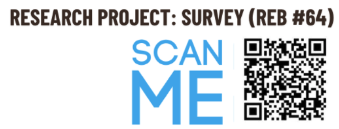
Help shape the design of a reporting system and ultimately reduce the frequency of genetic conditions! Please complete the survey: Here
What we heard from producers so far
The ongoing survey has been conducted to better understand on-farm experiences with developmental and gestational conditions and perspectives on reporting them. To date, 130 responses have been collected, most of them from dairy producers.
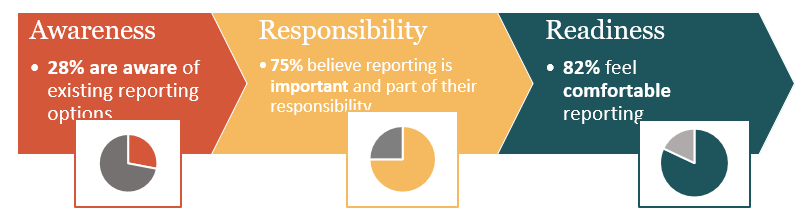
Overall, producers recognize the importance of reporting. However, current reporting options do not consistently align with producer realities on farm.
Barriers to reporting
- Not knowing how or where to report
- Reporting takes too much time or effort
- Uncertainty about whether a condition is genetic
- Privacy concerns
- The perception that early calf loss is a normal occurrence
What Would Improve Reporting?
Producers were clear about what they need. A reporting system should be simple, accessible (website, app, or existing farm software), and flexible enough to fit real farm workflows.
|
Strong producer preference |
Implication for system design |
|
Simple and quick to use |
Minimize data entry and make reporting possible in a few clear steps. |
|
Easy to access |
Offer access through a website, mobile app, or existing farm software. |
|
Flexible and privacy-aware |
Include options for anonymous reporting where appropriate. |
If these improvements were made, 93% of respondents said they would likely use a reporting system.
Sample collection and support
Comfort with collecting and shipping biological samples can influence whether a producer or farm employee reports a complication. Samples from the affected animal and its dam are needed to help determine whether the condition is genetic and to inform prevention strategies. Encouragingly, majority of producers are comfortable collecting blood (87%) or tissue samples (95%).
Additional support requested
- Standardized sample collection kits
- Clear instructions or training
- Optional support from a veterinarian
Many respondents support veterinary involvement, while also noting that cost and availability can be limiting.
Diagnosing and Reporting Remain Limited
Although these conditions are widely experienced, relatively few cases are formally diagnosed or reported:
- 87% of the farms have experienced gestational or developmental conditions
- 73% did not determine the cause
- 70% did not report the case
This highlights a clear gap in both diagnosis and reporting. Improving reporting will help the dairy sector understand the conditions occurring on farm, identify underlying causes more quickly, and support more informed breeding and management decisions.
Examples of conditions experienced on farm:
- Early pregnancy loss or stillbirth
- Dwarfism
- Heart conditions
- Unexplained death of a seemingly healthy calf
We want to hear from you!
Do these early results reflect your experience?
The survey is ongoing, and more input from Canadian farmers is essential to design a system that works for producers, veterinarians, and the dairy sector as a whole! Please participate: Here
Additionally, we are actively accepting reports and collecting samples. If you are experiencing gestational or developmental conditions on your farm, please reach out to PhD candidate Gabriella Condello (gcondell@uoguelph.ca) at the University of Guelph.
Acknowledgements
The authors acknowledge Chris Bartels for consultation in the development of the survey. We also thank all producers and industry members that participated and provided their experience with genetic conditions. This study was part of the Dairy Cluster 4 projects (Activity 13), Net-Zero Dairy Genome Project, AFC project, AdaptMitigate Dairy Genome Project. We gratefully acknowledge all funding and support, as administered by Genome Canada, Ontario Genomics, Genome Quebec, Genome Alberta, Lactanet and Dairy Farmers of Canada, and contributions of Dairy Farmers of Ontario, Dairy Farmers of Quebec, Alberta Milk, Agricultural Funding Consortium, Alberta Innovates, Alberta Ministry of Technology and Innovation, and NSERC. This research is supported by a contribution from the Dairy Research Cluster 4 partners (Lactanet Canada, Dairy Farmers of Canada, Semex Alliance, Holstein Canada and Agriculture and Agri-Food Canada) under the Sustainable Canadian Agricultural Partnership AgriScience Program.
Partager